How Tree Debris Damages Your Roof In Wollongong’s Windy Seasons
Elevated Roofing Systems • January 15, 2026
Strong coastal winds can arrive suddenly, carrying more than just salt air. For many homeowners, windy seasons bring an ongoing risk to roof structures as nearby trees shed branches, leaves and debris. Over time, this exposure can quietly compromise your Wollongong roofing. Understanding how debris causes damage helps property owners reduce risk and respond to minor issues before they escalate.
Tree debris doesn’t always cause immediate failure. Often, it creates small changes that worsen gradually. Scratches, blockages, and loosened materials can remain unnoticed until water ingress or structural stress becomes apparent. Awareness and preventative action are key to protecting roofs during periods of persistent wind.
When Strong Winds Turn Trees Into Roofing Hazards
Windy weather changes how trees interact with nearby buildings. Branches that appear stable in calm conditions can move unpredictably under pressure, striking roofs or shedding debris across large areas.
Common debris-related risks include:
- Broken branches falling onto tiles or metal roofing
- Leaves & twigs being driven under flashings
- Repeated abrasion from moving limbs
Even lightweight debris can cause wear when it comes into contact repeatedly. Over time, this impact weakens protective surfaces and fixings. In areas where trees grow close to
homes, seasonal winds increase the likelihood of cumulative damage. Monitoring roof condition after windy periods helps identify issues early and supports ongoing roof maintenance.
Leaves, Twigs & the Silent Gutter Blockage Problem
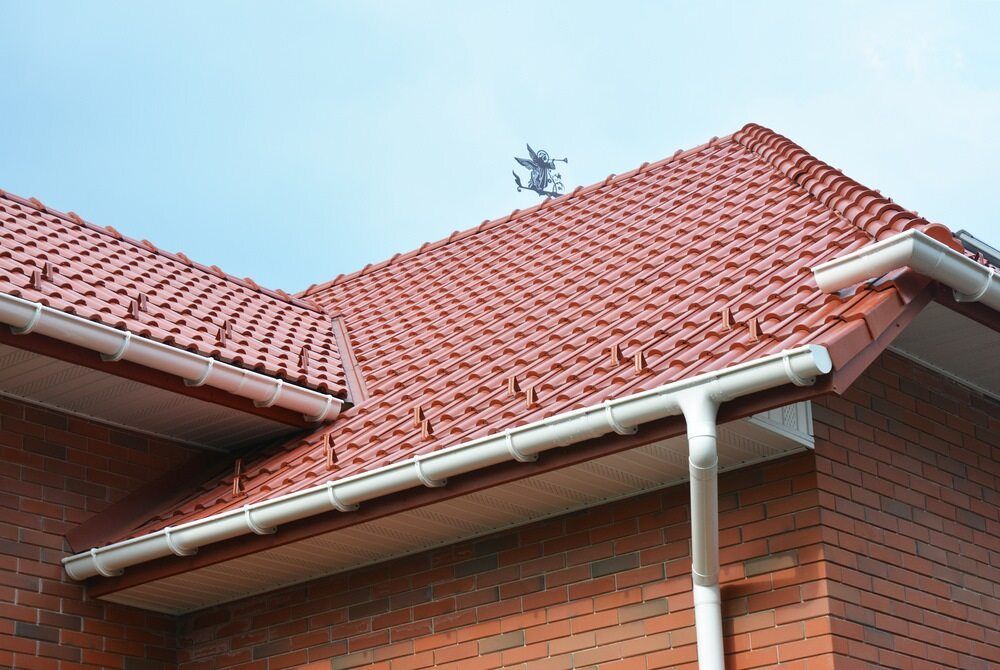
Gutters are designed to manage water flow efficiently, but they are often the first areas impacted by tree debris. During windy conditions, leaves, twigs and small branches can build up quickly, particularly where trees overhang rooflines or sit close to the property. Over time, even light debris can restrict drainage and place added pressure on gutter systems.
Blocked gutters often lead to:
- Water overflows onto eaves & walls
- Moisture pooling near the roof edges
- Increased risk of internal leaks
When water cannot drain correctly, it looks for alternative paths into the structure. This ongoing moisture exposure accelerates the deterioration of roofing materials, fascia boards and internal linings. Regular inspection and clearing of gutters is a simple but effective step in protecting roofs from debris-related damage during stormy seasons.
Scratches, Cracks & Surface Damage You Can’t Ignore
Roof surfaces are designed to withstand weather exposure, but debris introduces abrasive forces that roofing materials are not intended to endure repeatedly. Branches scraping across tiles or metal sheets can remove protective coatings, exposing vulnerable layers.
Surface damage commonly includes:
- Scratched metal roofing that loses corrosion resistance
- Hairline cracks in tiles that widen over time
- Dented or scuffed areas that trap moisture
These changes may appear minor initially. However, once protective layers are compromised, moisture and salt air can accelerate degradation. Addressing surface damage early supports the long-term performance of Wollongong roofing systems and reduces the likelihood of more extensive repairs.
Loose Tiles After Storms: A Common Roofing Risk
Strong winds do more than deposit debris. They generate uplift forces that place ongoing stress on roof tiles, fixings and supporting structures. When this pressure combines with falling branches or built-up debris, roof components can gradually shift out of position without obvious signs from the ground. Over time, this movement weakens the roof’s overall integrity.
After windy conditions, issues may include:
- Shifted or dislodged tiles
- Gaps forming along ridgelines
- Reduced tile stability under foot traffic
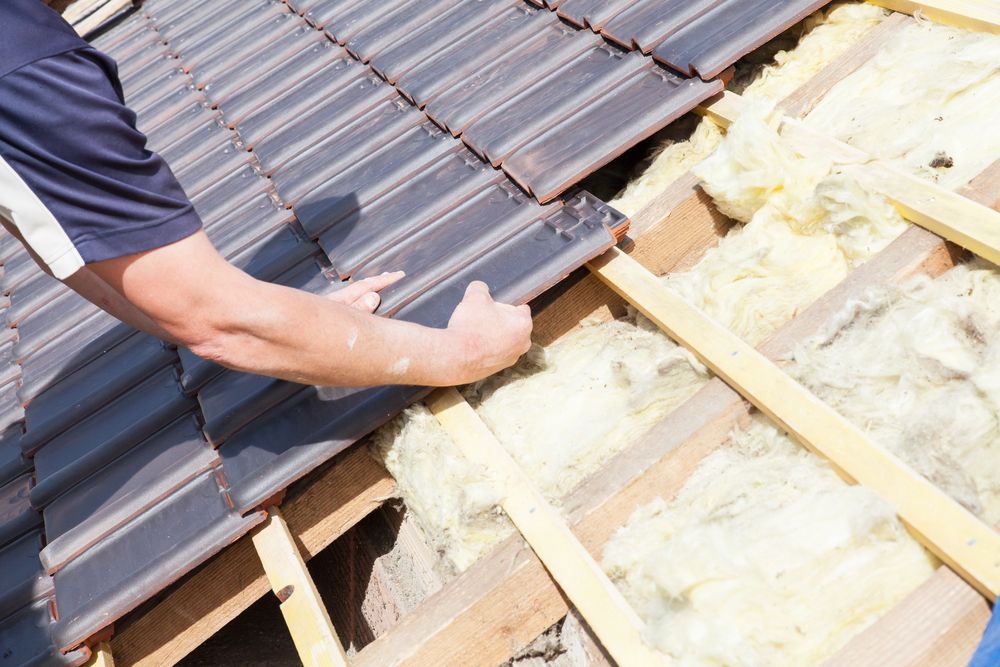
Loose or uneven tiles create pathways for water to enter beneath the roof surface. Even minor movement can allow moisture to reach insulation and timber framing, leading to hidden damage. Regular roof inspections after storms help detect early movement and support timely repairs before leaks or structural issues develop.
How Tree Debris Creates Moisture Entry Points
Moisture is one of the most damaging elements a roof can face. Tree debris contributes to moisture problems by creating entry points that are difficult to detect without inspection.
Common pathways include:
- Cracks formed by impact damage
- Debris lifting flashings or seals
- Organic matter trapping water against roofing surfaces
Once moisture enters the roof system, it can spread laterally before becoming visible inside the home. This delay often increases repair complexity. Proactive assessment of debris-affected areas reduces the risk of hidden water damage and supports roof longevity.
Coastal Weather & Vegetation: A Risky Combination
Coastal environments introduce additional challenges for roofs. Salt-laden air accelerates corrosion, while fast-growing vegetation increases debris volume during windy periods. Together, these factors place ongoing pressure on roofing materials.
Key considerations include:
- Faster wear on exposed metal components
- Increased debris frequency from coastal trees
- Moisture retention due to humidity
This environment demands consistent maintenance and awareness. Wollongong homes benefit from tailored inspection schedules that take into account local weather patterns and vegetation growth. Adapting your roofing maintenance to these conditions helps prevent premature roof deterioration.
Preventative Roof Maintenance Before Windy Seasons Hit
Preventative maintenance focuses on reducing exposure before damage occurs. Preparing roofs ahead of windy seasons allows potential hazards to be addressed under controlled conditions rather than in emergency situations.
Effective preparation includes:
- Clearing overhanging branches near rooflines
- Inspecting tiles, flashings & gutters
- Securing loose components before storms
These steps reduce the likelihood of debris-related damage and support predictable roof performance. Planning maintenance before seasonal winds arrive is often more efficient than reacting after damage has occurred.
When to Book a Professional Roof Inspection
Not all roof issues are visible from the ground. Subtle changes caused by debris accumulation or impact may only be detectable through a thorough inspection.
Signs that inspection may be needed include:
- Water staining near ceilings or walls
- Unusual gutter overflow after rain
- Debris accumulation following windy weather
Professional inspections provide clarity around roof condition and help prioritise maintenance or repairs. Identifying issues early reduces disruption and supports the long-term integrity of the roof.
Protecting Your Roof Through Local Knowledge
At Elevated Roofing Systems, we understand how coastal winds and surrounding vegetation affect roofs in Wollongong. We provide inspections, maintenance and repairs tailored to these conditions, helping homeowners respond proactively to debris-related risks.
If your roof has been exposed to windy weather,
contact us to schedule an assessment and ensure your roof continues to perform as intended. We offer a range of roofing services throughout Wollongong and surrounding areas.