How Poor Roof Insulation Leads To Moisture Problems In Wollongong Homes
Elevated Roofing Systems • November 9, 2026
Poor roof insulation can leave Wollongong homes vulnerable to condensation, mould growth and internal water damage. When warm, moisture-filled air meets a cold roof surface, water droplets can form and gradually damage insulation, timber and ceilings. Without suitable insulation, sarking and ventilation, this moisture can become an ongoing problem. For homeowners along the Illawarra coast, understanding how these elements work together is an important part of protecting their property. Our team of
roofers in Wollongong can help identify roofing issues that contribute to moisture problems and recommend practical improvements.
What Role Does Roof Insulation Play in Preventing Moisture Problems?
Roof insulation helps regulate heat transfer between your living areas and the roof space. While it's commonly associated with keeping homes warmer in winter and cooler in summer, it also plays an important role in managing condensation risks. Properly installed insulation helps maintain more stable temperatures and reduces the likelihood of certain surfaces becoming cold enough for moisture to condense. However, insulation alone doesn't prevent every condensation problem. Its effectiveness depends on the roof's construction, ventilation, moisture control measures and how the materials are installed.
If insulation is damaged, compressed or poorly fitted, gaps can allow unwanted heat transfer. This may contribute to cold spots and moisture accumulation, particularly when warm indoor air escapes into the roof cavity.
For roofing in Wollongong, we need to consider these factors together rather than treating insulation as a standalone solution.
How Wollongong’s Coastal Climate Drives Condensation in Roof Spaces
Wollongong's coastal location brings humid air, seasonal rainfall and cooler winter nights. These conditions can create noticeable temperature differences between the inside of a home and its roofing materials.
Condensation occurs when moisture-containing air comes into contact with a surface at or below its dew point. The dew point is the temperature at which air becomes saturated and water vapour begins turning into liquid For example, imagine a metal roof cooling overnight during winter. Warm, humid air entering the roof cavity may come into contact with the cold underside of the roofing sheets, producing small water droplets.
Over time, repeated condensation can allow moisture to collect on nearby materials, particularly when the roof space has limited drying capacity. This is why homeowners may discover damp insulation or ceiling stains even when there is no obvious opening in their roof. Condensation isn't the same as a roof leak. A leak typically involves rainwater entering through damaged roofing materials, flashing or other openings. Condensation can develop beneath an otherwise watertight roof when temperature and moisture conditions allow it.
What Happens When Insulation Is Installed Incorrectly or Uses Low-Quality Materials?
Even suitable insulation can perform poorly if it isn't installed correctly. Gaps, compression and incompatible materials can compromise thermal performance and contribute to moisture-related problems.
Some common issues include:
- Gaps between insulation sections: Allow heat to move through areas that should be insulated
- Compressed insulation: Reduces the thermal resistance of some bulk insulation materials
- Wet insulation: Can lose effectiveness and may need replacing if moisture damage is significant
- Poorly installed sarking: Can allow condensation to reach materials below instead of draining appropriately
- Blocked ventilation openings: Restrict airflow and reduce the roof cavity's ability to dry
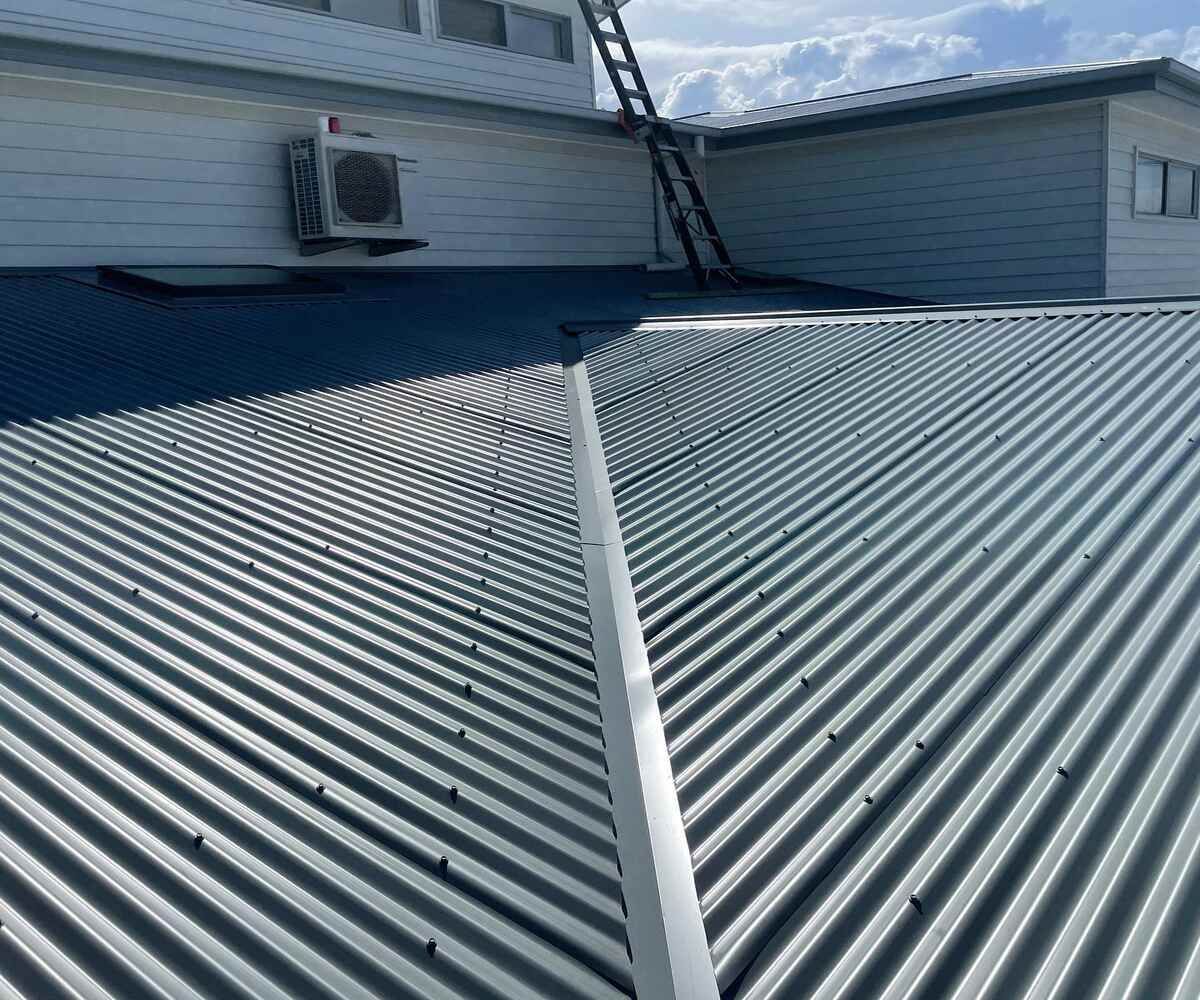
Under metal roofing, sarking and foil-backed insulation blankets can provide additional protection when correctly specified and installed. Sarking acts as a secondary protective layer beneath the roof covering. Depending on the product and installation method, it can help manage condensation by directing collected moisture towards suitable drainage points. Foil-backed blankets can also provide thermal benefits, although their moisture performance depends on their placement, sealing, compression and the overall roof design. Choosing a suitable product matters, but ensuring the entire roofing system works together is equally important.
Signs Moisture Is Building Up in Your Roof Space
Moisture problems often develop gradually, making them easy to overlook until visible damage appears inside the home.
Some warning signs include:
- Brown or yellow ceiling stains: May indicate water collecting above plasterboard
- Musty indoor odours: Can suggest persistent dampness or mould growth
- Visible mould patches: May appear around ceilings, cornices or poorly ventilated areas
- Damp or deteriorating insulation: Can indicate ongoing water exposure
- Water droplets beneath roofing sheets: May suggest condensation forming on cold surfaces
- Rust or timber deterioration: Can develop after prolonged exposure to moisture
These symptoms don't automatically confirm an insulation problem. Damaged flashing, leaking roof penetrations, plumbing issues and other sources of water ingress can produce similar results. If you've been searching for roofing near me after discovering ceiling stains or damp patches, arranging a professional inspection can help establish whether the moisture is caused by condensation, a roof leak or a combination of issues. Homeowners can also learn how to spot roofing damage early, particularly after periods of coastal rain and strong winds.
Avoid entering a damp roof cavity or disturbing mould-affected insulation yourself. Electrical hazards, fragile ceiling surfaces and potentially contaminated materials can make inspections unsafe.
Why Insulation and Roof Ventilation Need to Work Together
Insulation and ventilation perform different functions, but both can contribute to effective moisture management. Insulation reduces heat transfer, while appropriately designed roof ventilation helps manage air movement and moisture within the cavity. When these elements are properly coordinated, they can reduce conditions that allow condensation to persist.
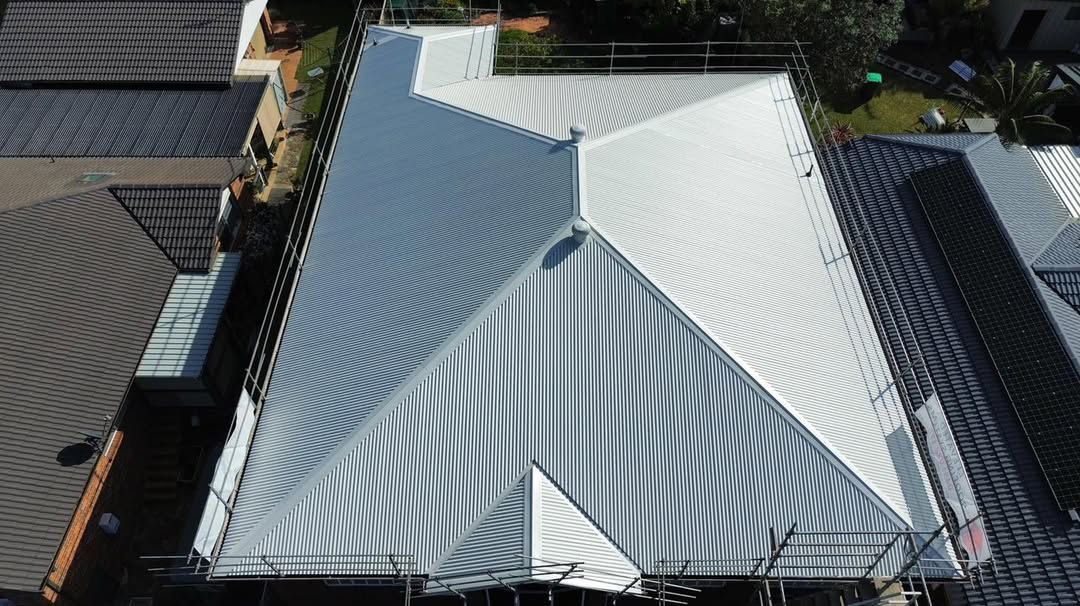
One ventilation option is the installation of roof-mounted whirlybirds. Whirlybirds use wind-driven rotation to help extract air from the roof cavity. When paired with suitable intake ventilation, they can assist with moving warm or moisture-laden air out of the roof space. However, installing a whirlybird doesn't automatically solve a condensation problem.
Its effectiveness depends on factors including:
- The size and configuration of the roof cavity
- Available air intake and exhaust pathways
- Existing insulation and vapour control measures
- The amount of moisture entering the roof space
- Local wind conditions and the overall ventilation design
Poorly planned ventilation can sometimes introduce additional moisture or reduce the effectiveness of ceiling insulation. For this reason, we recommend assessing the entire roof system before deciding whether additional ventilation, insulation improvements or other moisture control measures are appropriate.
Fixing the Problem: Roof Repairs, Re-Roofing and Sarking Upgrades
The right solution depends on what's allowing moisture to accumulate and whether any roofing materials have already been damaged. A professional roof inspection can help identify the source of the problem and determine which improvements are necessary.
Addressing Existing Roof Damage
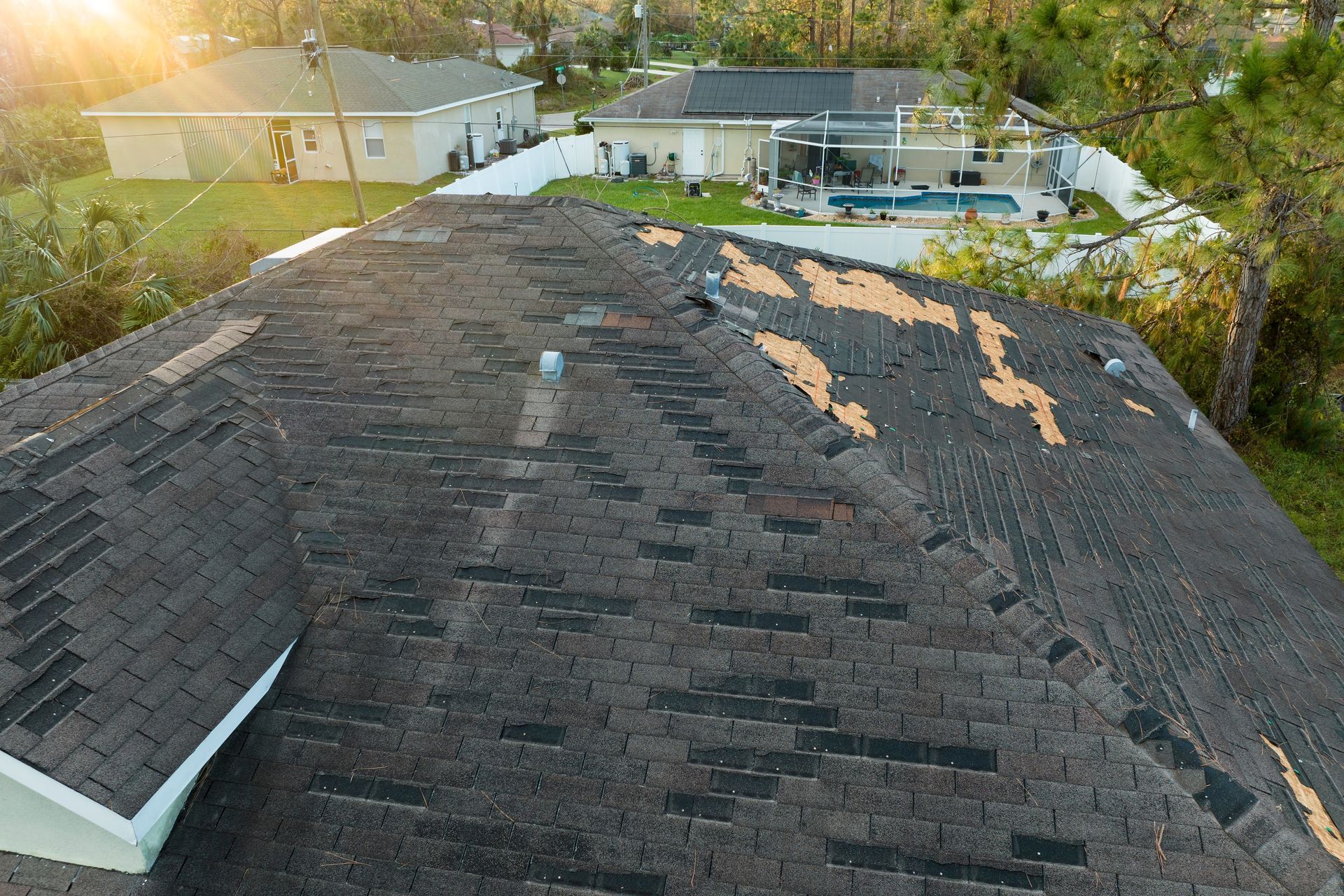
Where water is entering through deteriorated flashing, damaged roof sheets or compromised roof penetrations, targeted
roof repairs may address the immediate problem. It's important to correct the source of water ingress before replacing damaged insulation or repairing interior ceilings. Otherwise, the same moisture issues may return.
Upgrading Sarking and Insulation
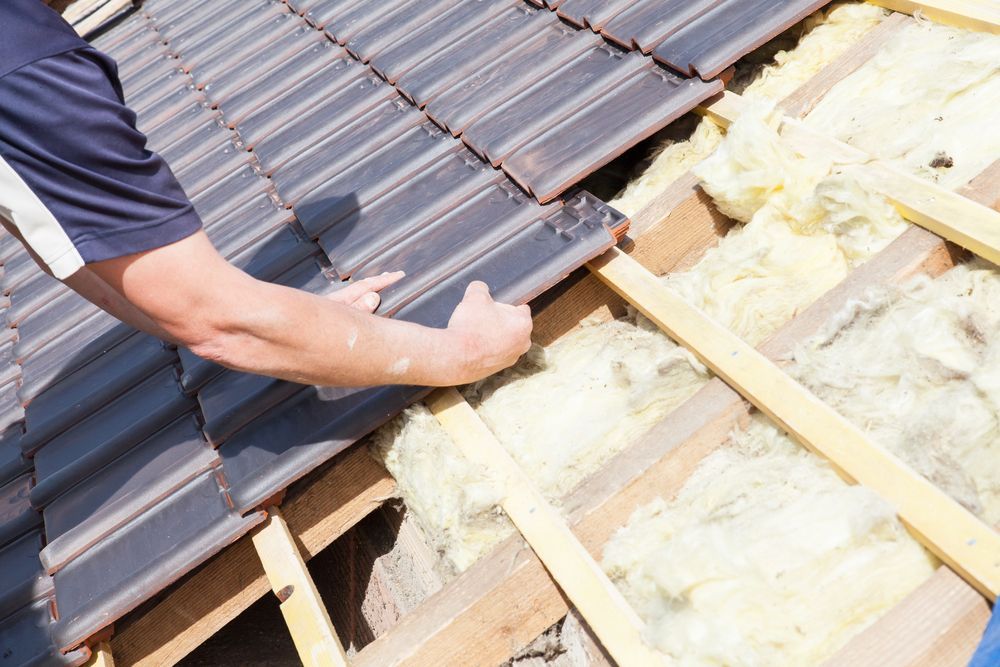
If inadequate sarking or insulation is contributing to condensation, upgrading these materials may improve the roof's thermal and moisture performance. For metal roofing, this could involve installing a suitable membrane or foil-backed insulation blanket beneath the roof sheets, with careful attention to ventilation, condensation drainage and the manufacturer's installation requirements. Material selection should reflect the roof's construction and applicable building requirements. Not every membrane or blanket is suitable for every roof design.
Considering Re-Roofing
Where roofing materials are extensively deteriorated or the existing roof construction makes upgrades difficult, re-roofing may provide an opportunity to improve several components at once. A roof replacement can allow the roofing system to be assessed more comprehensively, including insulation, sarking, flashing and ventilation arrangements. For properties requiring
roofing in Thirroul or roofing upgrades throughout Wollongong, understanding these options can help homeowners make informed decisions about long-term protection.
Why Choose Elevated Roofing Systems as Your Roofers in Wollongong?
Moisture problems aren't always straightforward. A stained ceiling could indicate a leaking roof, condensation beneath metal sheets or another source of water entering the roof cavity. At Elevated Roofing Systems, we work with homeowners throughout Wollongong and the wider Illawarra region, providing residential roofing, repairs, restorations and re-roofing services.
As a locally owned business operating since 2016, we understand the importance of choosing roofing materials and solutions suited to coastal conditions. Our services also include guttering, skylights and roof ventilation options, allowing us to consider different roofing improvements based on your property's needs. Whether you're concerned about moisture damage or researching roofing near me for an upcoming project, we can discuss your roofing concerns and arrange an assessment. Choosing experienced roofers in Wollongong means having a team that understands the local environment and can explain the roofing options available for your home.
Protect Your Home From Moisture Damage
Condensation and moisture damage are easier to manage when the underlying cause is identified early. Suitable insulation, properly specified sarking and effective ventilation can all contribute to a roof system that manages moisture more effectively. If you've noticed damp insulation, ceiling stains or signs of deterioration, we're here to help. At
Elevated Roofing Systems, we provide roofing inspections, repairs and replacement services throughout Wollongong and surrounding areas.
Contact our team for a free quote and discuss the next steps for protecting your home.
Frequently Asked Questions
Can Roof Condensation Occur Without Rain?
Yes. Roof condensation can develop even during dry weather when humid air contacts a roofing surface that has cooled below the air's dew point. This is particularly relevant during cooler nights when metal roofing can lose heat quickly.
Does Wet Roof Insulation Need Replacing?
It depends on the insulation material, how wet it has become and whether it has deteriorated. Some materials may recover after thoroughly drying, while others can lose their performance or become unsuitable for continued use. The moisture source should be addressed before replacing affected insulation.
Can Mould Spread From The Roof Cavity Into Living Areas?
Mould growth in a damp roof cavity can affect indoor air quality if spores or contaminated air move into living spaces through gaps and openings. Persistent moisture should be investigated, and significant mould contamination may require specialist remediation.
Can New Sarking Be Installed Without Replacing The Roof?
In some situations, sarking upgrades may be possible without a complete roof replacement, although installing a continuous membrane beneath existing roof sheets often requires removing sections of roofing. The most practical approach depends on the roof's condition, construction and accessibility.
What Time Of Year Should Roof Condensation Be Checked?
Roof condensation can occur throughout the year, although cooler nights may make certain problems more noticeable. We recommend arranging an assessment when signs of moisture first appear rather than waiting for a particular season.